categories on shopnaclo – A Detailed Guide to Smart eCommerce Organization and Navigation
The rise of online retail has transformed the way consumers interact with products, brands, and shopping experiences. Unlike traditional brick-and-mortar stores, digital platforms must organize vast inventories in ways that are intuitive, searchable, and adaptable to user behavior. Structure is no longer a background feature; it is a core component of customer satisfaction and business success.
Modern eCommerce platforms rely on layered organization systems that guide users from broad discovery to specific purchase decisions. These systems influence everything from navigation speed to conversion rates. In this evolving environment, discussions around categories on shopnaclo have emerged as examples of how thoughtful organization can shape the user journey in meaningful ways.
The Purpose of Categorization in Digital Commerce
Categorization serves as the backbone of any online store. Without clear groupings, even the most attractive products can become invisible. Categories help users mentally map a store, allowing them to predict where items might be found and reducing frustration during browsing.
From a business perspective, categorization supports inventory management, analytics, and marketing strategies. It enables sellers to highlight seasonal collections, promote new arrivals, and cross-sell related products. When done correctly, systems like categories on shopnaclo illustrate how organization can function as both a navigational tool and a sales driver.
How Users Interact With Online Store Categories
User behavior studies consistently show that shoppers prefer clarity over complexity. When visitors arrive at an online store, they often scan category labels before engaging with individual products. These labels shape first impressions and determine whether users feel confident continuing their journey www shopnaclo . com.
Effective category systems anticipate user intent. They reflect how people naturally think about products rather than how businesses internally classify them. This alignment reduces cognitive load and increases engagement. Observations around categories on shopnaclo often emphasize how user-centric labeling and structure can improve overall satisfaction.
Balancing Breadth and Depth in Category Design
One of the most challenging aspects of category design is finding the right balance between breadth and depth. Too many top-level categories can overwhelm users, while too few can force them into long, confusing navigation paths. theboringmagazine, eurogamersonline, fpmomtips, usefulideas, endbugflow software
Successful platforms carefully layer their categories, starting with broad themes and gradually narrowing to more specific groupings. This approach mirrors how people make decisions, moving from general interest to specific preference. Models inspired by categories on shopnaclo demonstrate how thoughtful layering can guide users smoothly without feeling restrictive.
The Role of Visual Hierarchy in Navigation
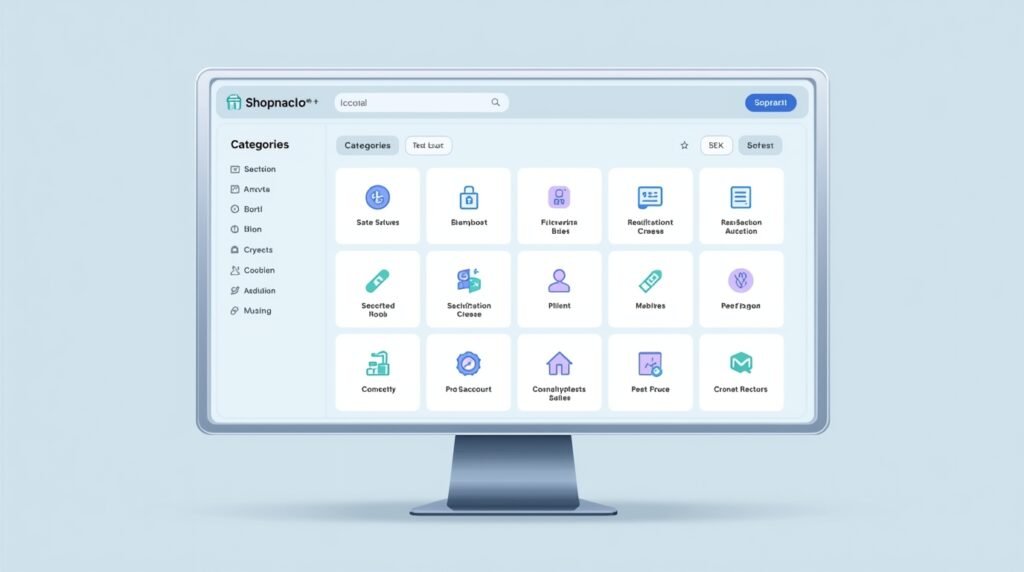
Visual hierarchy plays a crucial role in how users perceive and interact with categories. Font size, spacing, color contrast, and placement all signal importance and guide attention. Well-designed category menus subtly direct users without requiring conscious effort.
Clear hierarchy also improves accessibility, making it easier for users with different abilities to navigate the store. When combined with logical naming conventions, visual cues enhance usability. Discussions around categories on shopnaclo frequently note how visual organization complements structural clarity.
Mobile Responsiveness and Category Accessibility
With a significant portion of online shopping occurring on mobile devices, category systems must adapt to smaller screens and touch-based interaction. Mobile users require streamlined navigation that minimizes scrolling and tapping while maintaining clarity. ddmalar
Responsive design ensures that categories remain accessible regardless of device. Dropdown menus, expandable sections, and intuitive icons all contribute to a seamless experience. In mobile contexts, approaches similar to categories on shopnaclo highlight the importance of simplicity without sacrificing depth.
Category Naming and Its Psychological Impact
The words used to label categories carry psychological weight. Clear, familiar terms build trust and reduce hesitation, while ambiguous or overly creative names can confuse users. Effective naming reflects customer language rather than internal jargon.
Category names also influence perception of value and relevance. For example, grouping items under lifestyle-oriented labels can evoke emotion and aspiration. Strategic naming practices seen in categories on shopnaclo show how language choices can subtly shape user expectations and engagement.
Seasonal and Dynamic Category Structures
Static category systems may struggle to keep pace with changing trends and consumer interests. Many modern platforms adopt dynamic structures that evolve with seasons, promotions, and inventory shifts. Temporary categories can highlight limited-time collections or special events.
Dynamic categorization keeps the shopping experience fresh and relevant. It encourages repeat visits by offering new paths of exploration. Observers often point to categories on shopnaclo as examples of how flexibility in structure can support ongoing engagement.
Supporting Discovery Through Cross-Categorization
Products rarely fit neatly into a single category. Cross-categorization allows items to appear in multiple relevant sections, increasing visibility and discovery. This approach acknowledges the multifaceted ways users think about products.
Cross-categorization also supports personalized recommendations and themed collections. By linking related categories, platforms create interconnected browsing experiences. Systems similar to categories on shopnaclo demonstrate how thoughtful cross-linking can enhance exploration without clutter.
The Influence of Categories on Search Behavior
Categories and search functions are closely intertwined. Many users combine browsing with search, using categories to refine results or validate search outcomes. Clear categories improve search accuracy by providing context and filters.
When category structures align with search logic, users experience faster and more satisfying results. This synergy reduces bounce rates and increases conversions. Analyses involving categories on shopnaclo often highlight the benefits of integrating category design with search functionality.
Data-Driven Optimization of Category Systems
Modern eCommerce platforms rely heavily on data to refine category structures. Click-through rates, dwell time, and conversion metrics reveal how users interact with different sections. This data informs adjustments that improve performance over time.
A data-driven approach ensures that categories evolve based on real behavior rather than assumptions. Continuous testing and refinement help maintain relevance as user preferences change. Insights drawn from categories on shopnaclo underscore the value of analytics in shaping effective navigation.
Building Trust Through Consistent Organization
Consistency is a key factor in building trust. When categories behave predictably across the platform, users feel more comfortable exploring and purchasing. Inconsistent labeling or structure can create doubt and frustration.
Consistent organization also strengthens brand identity by reinforcing a coherent shopping experience. Over time, users develop familiarity with the platform’s layout, reducing friction. Examples like categories on shopnaclo often illustrate how consistency supports long-term loyalty.
Accessibility Considerations in Category Design
Inclusive category design ensures that all users, regardless of ability, can navigate the store effectively. This includes screen-reader compatibility, clear contrast, and logical navigation order. Accessibility is not just a compliance issue but a user experience priority.
Accessible categories benefit everyone by promoting clarity and simplicity. When platforms prioritize inclusivity, they expand their reach and demonstrate social responsibility. Discussions around categories on shopnaclo frequently touch on how accessibility considerations enhance overall usability.
The Relationship Between Categories and Brand Storytelling
Categories are not purely functional; they can also tell a story. The way products are grouped reflects brand values, aesthetics, and priorities. Thoughtful categorization can communicate a lifestyle or philosophy without explicit messaging.
By curating categories that align with brand identity, platforms create emotional resonance. This storytelling aspect differentiates the store in a competitive market. Observations of categories on shopnaclo often note how structure contributes to a cohesive brand narrative.
Adapting Categories for Global Audiences
As online stores expand internationally, category systems must accommodate diverse cultural perspectives and shopping habits. What feels intuitive in one region may not translate directly to another. Localization extends beyond language to include category logic and priorities.
Flexible category frameworks allow platforms to adapt without rebuilding from scratch. This adaptability supports global growth while maintaining usability. Models inspired by categories on shopnaclo demonstrate how scalable design can address diverse audiences.
The Future of Categorization in ECommerce
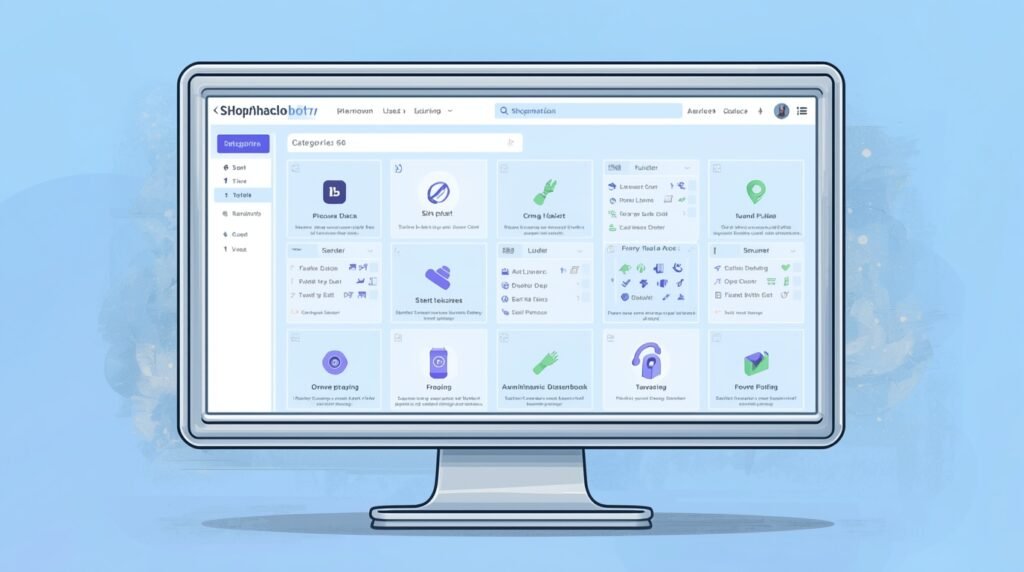
Looking ahead, categorization is likely to become more personalized and intelligent. Artificial intelligence and machine learning can tailor category displays based on user behavior, preferences, and context. Dynamic personalization may soon replace static menus.
Despite technological advances, the core principles of clarity, consistency, and user focus will remain essential. Future innovations will build upon these foundations rather than replace them. In conversations about emerging trends, categories on shopnaclo are often referenced as a foundation for adaptive design.
Conclusion: Why Category Design Matters More Than Ever
In the crowded world of online retail, success depends on more than product quality or pricing. Organization shapes how users perceive, navigate, and trust a platform. Categories are the invisible framework that supports every interaction.
By prioritizing user-centric design, data-driven refinement, and consistent structure, platforms can create shopping experiences that feel intuitive and engaging. The growing attention to categories on shopnaclo reflects a broader recognition that thoughtful categorization is not optional but essential for sustainable digital commerce growth.