Meme Creator – How Digital Humor Shapes Culture, Marketing, and Communication
In today’s digital era, creativity and humor intersect to shape global communication in fascinating ways. Among the many forms of internet expression, the meme creator has emerged as one of the most powerful tools of online storytelling. From simple jokes to viral movements, memes have evolved beyond entertainment to influence politics, marketing, and social interaction. This article explores the cultural journey of memes, their creative process, and how individuals and brands are shaping the future of digital humor.
The Birth of the Meme Era
The internet has always thrived on connection, and memes became one of its purest forms of expression. Originating from the idea of shared cultural symbols, memes quickly turned into an art form accessible to anyone with a sense of humor and creativity. A meme creator enables people to capture complex emotions, societal commentary, or relatable experiences in just a few words and an image. Early internet forums and message boards like 4chan and Reddit played a significant role in shaping the meme landscape, where ideas spread rapidly and humor transcended language barriers.
As internet access expanded globally, so did the diversity of meme formats. Reaction images, GIFs, video snippets, and even short captions became part of the universal digital language. The meme phenomenon was no longer confined to a niche online culture—it became an essential aspect of how people express themselves, share opinions, and respond to global events. In this digital storytelling era, memes function as a mirror of society, reflecting its joys, frustrations, and evolving trends.
The Role of Creativity and Context
To truly understand the impact of memes, it’s crucial to recognize the balance between creativity and cultural context. A meme creator allows users to repurpose familiar visuals with clever captions, giving new meaning to existing media. However, it’s not just about humor; it’s about timing, relatability, and the ability to connect emotionally with audiences.
Memes succeed when they resonate across various demographics, especially when they address shared experiences. For instance, a workplace meme might evoke laughter among professionals, while a pop culture meme connects fans worldwide. The power of a single image to generate a collective reaction highlights how creativity and cultural awareness are central to successful meme-making.
Moreover, memes can serve as a form of commentary on political events, societal issues, or cultural debates. Their simplicity enables them to spread rapidly, often becoming symbolic of larger discussions. In essence, memes are not just jokes—they are concise narratives reflecting collective consciousness.
How Technology Has Simplified Meme Creation
Before advanced tools existed, creating a meme required graphic design skills or familiarity with editing software. But today, the meme creator tools available online have revolutionized accessibility. These platforms provide templates, fonts, and customization options, making it effortless for anyone to participate in meme culture.
Apps and online editors now enable users to generate memes within minutes. Whether through a drag-and-drop interface or preloaded trending formats, modern tools democratize content creation. What once required Photoshop expertise can now be achieved on a smartphone. This accessibility has significantly contributed to the explosive growth of meme culture, making creativity universal rather than exclusive.
Additionally, automation and AI-powered tools analyze trending topics, suggest captions, and predict engagement potential. These technological advancements ensure that memes remain timely and relevant, maintaining their place in the ever-evolving social media landscape.
The Viral Nature of Memes
The meme creator has turned ordinary people into viral sensations overnight. A clever caption combined with a well-known image can attract millions of shares in hours. Unlike traditional marketing or media, memes rely on organic growth—people share them because they relate, not because they’re paid to.
Memes are built for virality. Their compact format and humor encourage quick consumption and instant sharing. They are the perfect representation of how digital communication thrives on speed and relatability. From political satire to daily life jokes, memes spread information faster than most news outlets.
In some cases, memes even influence public perception. A funny take on a political moment can shape how audiences remember it. This power demonstrates that memes are not trivial—they are potent tools for shaping opinions, spreading awareness, and uniting communities through humor.
The Commercial Side of Memes
What began as a form of entertainment has now become a powerful marketing tool. Brands in the United States and around the world recognize the potential of memes to engage audiences authentically. A relatable or funny post can drive more interaction than traditional advertisements.
Companies use a meme creator to blend humor with branding, connecting with younger audiences on platforms like Instagram, TikTok, and X (formerly Twitter). These strategies rely on subtlety—effective branded memes focus on relatability rather than overt promotion. Consumers appreciate humor that feels genuine, not forced.
Moreover, influencer marketing often leverages meme culture. Content creators with massive followings can turn simple jokes into viral campaigns. This form of marketing humanizes brands, allowing them to appear approachable and in tune with current trends.
Memes as Tools of Cultural Commentary
Memes often transcend their humorous origins to become digital artifacts of history. A meme creator can highlight global issues, raise awareness, or challenge authority through satire. For instance, during social movements, memes have served as rallying cries for awareness and solidarity.
This cultural role gives memes immense significance. They simplify complex issues into understandable visuals, making them accessible to broader audiences. They are often more effective than lengthy articles or official statements because they evoke emotion instantly.
However, this influence also raises ethical questions. When memes spread misinformation or mock sensitive topics, their impact can be harmful. The balance between humor and responsibility is crucial in ensuring that memes contribute positively to conversations rather than distort them.
The Psychology Behind Memes
Why do people connect so deeply with memes? The answer lies in psychology. A meme creator taps into shared human experiences, transforming them into easily digestible visual jokes. This process activates empathy and social bonding, two key components of online engagement.
Memes also serve as coping mechanisms. During challenging times, humor provides emotional relief. For example, during global crises or social unrest, memes help people find laughter in chaos. They validate emotions and create a sense of belonging, reminding individuals that they’re not alone in their struggles.
Furthermore, memes operate within group dynamics. Sharing or creating a meme signals cultural awareness and inclusion. It’s a modern form of identity expression—a way to say, “I get it,” without using many words.
Professional Memes and Content Creation
Beyond casual sharing, meme-making has become a professional skill. Digital marketers, social media managers, and influencers often rely on a meme creator to generate viral content strategies. The simplicity of memes hides the complexity of crafting one that resonates.
Professional meme creators analyze trends, audience behavior, and platform algorithms to ensure maximum reach. They know when to post, how to format, and which topics to address. Timing is crucial—a meme posted too late loses relevance.
Additionally, brands invest in creative teams dedicated to digital humor. These professionals combine wit with marketing insight, creating content that’s both entertaining and effective. In this sense, memes have evolved from jokes into a legitimate form of modern advertising.
The Educational and Social Value of Memes
While memes are often associated with fun, their educational potential shouldn’t be overlooked. Teachers, activists, and organizations have begun using memes to simplify complex information. A meme creator can transform a historical fact, scientific concept, or social issue into a digestible format that sparks curiosity.
Educational memes make learning interactive and memorable. They blend humor with knowledge, making topics more approachable for younger audiences. Similarly, social awareness campaigns often employ memes to increase visibility and engagement, especially on platforms where short attention spans dominate.
When used responsibly, memes can inspire learning and dialogue. They provide a modern bridge between education and entertainment—often referred to as “edutainment”—that keeps audiences informed while keeping them entertained.
Building a Personal Brand Through Memes
Memes are not limited to companies or influencers; individuals use them to express personality and build online identities. A meme creator allows users to showcase their humor, opinions, and creativity. This approach often leads to increased social media engagement, helping people stand out in a crowded digital environment.
Personal branding through memes depends on consistency and authenticity. The best memes align with an individual’s tone and values. Over time, this relatability attracts followers who appreciate genuine content. For freelancers, creatives, and professionals, memes can be a powerful networking tool.
Humor also humanizes online presence. When people see someone who can laugh at life’s challenges, they’re more likely to connect. Memes provide that human touch that traditional posts often lack.
Where to Begin Creating Memes
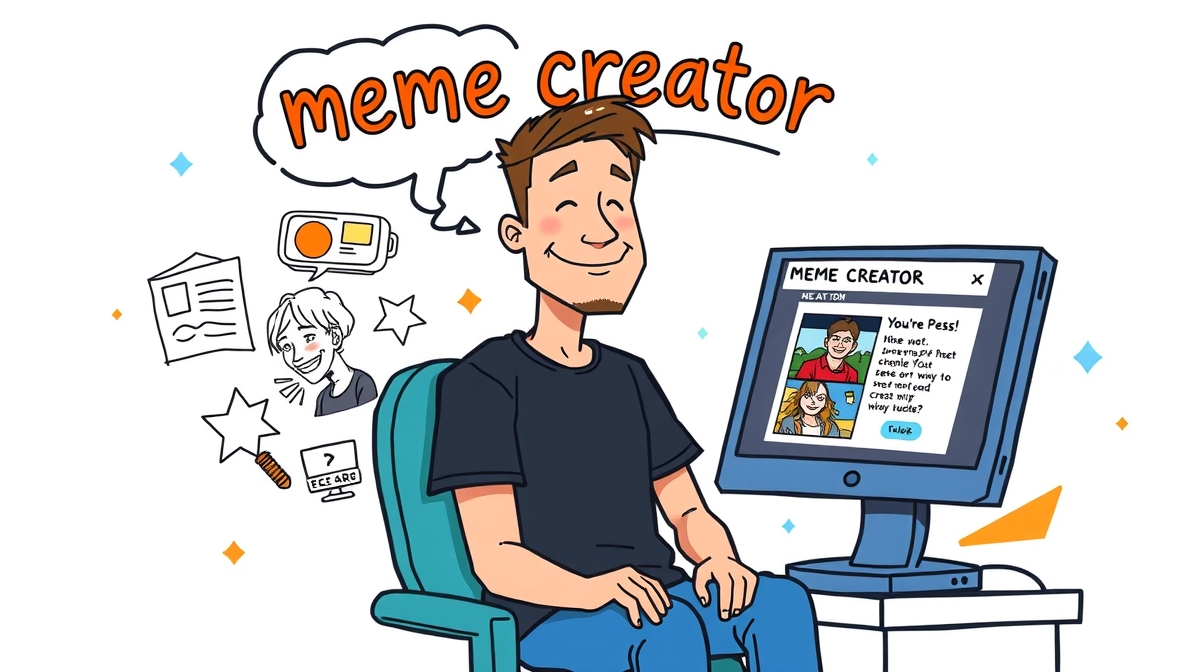
Getting started with memes is easier than ever. Anyone can use a simple meme creator to design engaging content within minutes. The process usually involves selecting a template, adding a witty caption, and sharing it across social platforms.
If you’re looking for a reliable tool to start with, you can explore Adobe’s meme creator. This online platform offers intuitive design features and ready-to-use templates, perfect for beginners and professionals alike.
The platform ensures accessibility for everyone, whether you want to create a lighthearted post or a branded marketing meme. Its user-friendly interface simplifies creativity, allowing ideas to flow effortlessly.
The Global Impact of Meme Culture
Memes have no borders. Their humor and symbolism often transcend language and geography, uniting people through shared understanding. With the help of a meme creator, individuals worldwide participate in global digital conversations.
Memes have influenced international pop culture, politics, and even fashion trends. Viral memes can shape public opinion, alter brand reputations, and bring attention to global events. This borderless communication highlights how digital humor is becoming one of the most unifying forces of the modern age.
As more cultures contribute their perspectives, memes evolve into diverse forms of artistic expression. They tell stories that words alone cannot capture, creating a truly interconnected online community.
The Future of Memes and Digital Communication
Looking ahead, the evolution of memes shows no signs of slowing. With advancements in AI, virtual reality, and augmented reality, the meme creator tools of tomorrow will likely become more dynamic and immersive. Users may soon craft interactive or 3D memes that engage audiences in entirely new ways.
Memes will continue to shape public dialogue, reflect societal moods, and influence online culture. However, the future also demands responsibility—creators must remain aware of ethical implications and cultural sensitivity. Humor should unite, not divide.
As digital landscapes grow more complex, memes will stand as a reminder that creativity, laughter, and connection are the heartbeats of human communication.
Conclusion
The journey of memes from simple jokes to cultural powerhouses reflects how creativity adapts to technology and society. A meme creator symbolizes the democratization of humor—allowing anyone, anywhere, to share their perspective with the world.
Memes have become more than entertainment; they’re tools for communication, education, marketing, and unity. Whether you’re a casual user, a marketer, or a digital artist, memes offer endless potential for expression and engagement.
As long as humor remains part of human nature, memes will continue to thrive, evolve, and connect us in ways no other medium can.